A new intelligence frontier
is forming.
We are forging it.
Follow-Up Document for Canon Medical

Intelligence Shift

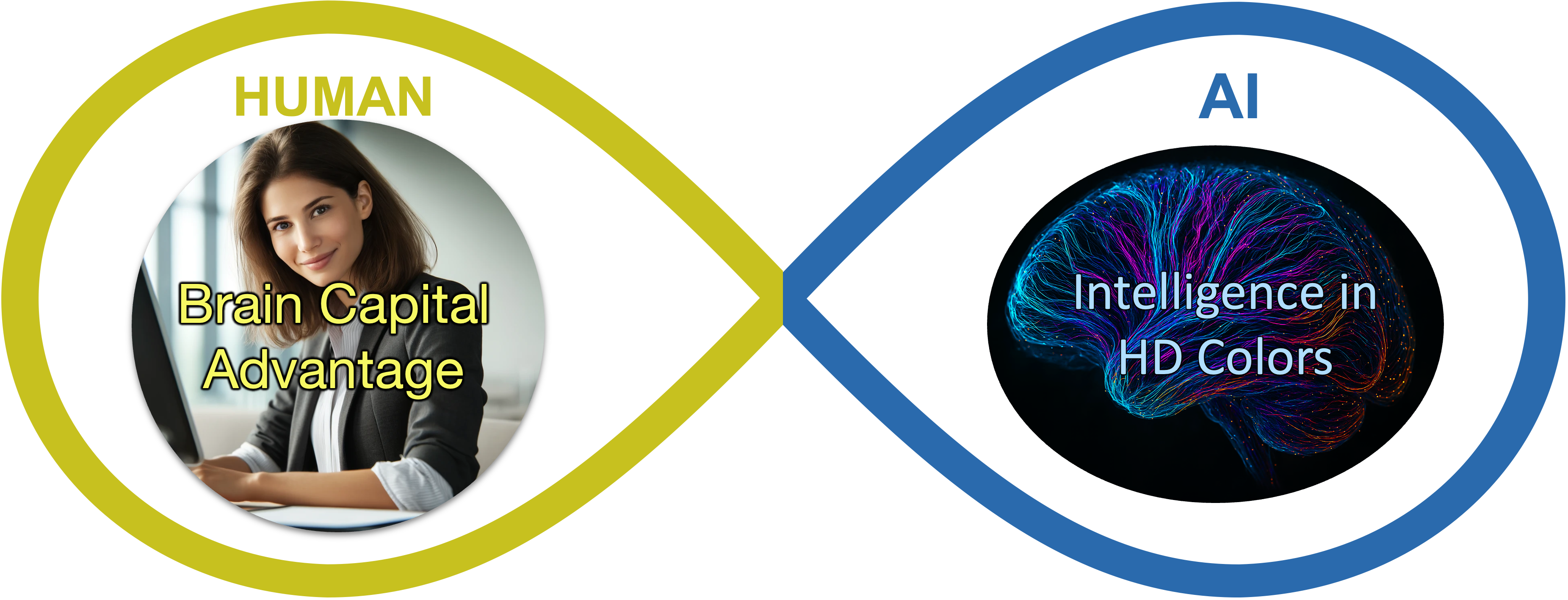
Artificial intelligence is creating a tectonic shift in how organizations operate. Every organization faces the same dilemma: how to balance human intelligence and artificial intelligence. Get it wrong, and you lose either way.

Intelligence Balance

Three Bets

Some organizational leaders are doubling down on human intuition alone. Others are racing to master AI alone. In the middle, a few are attempting to blend both without a blueprint.
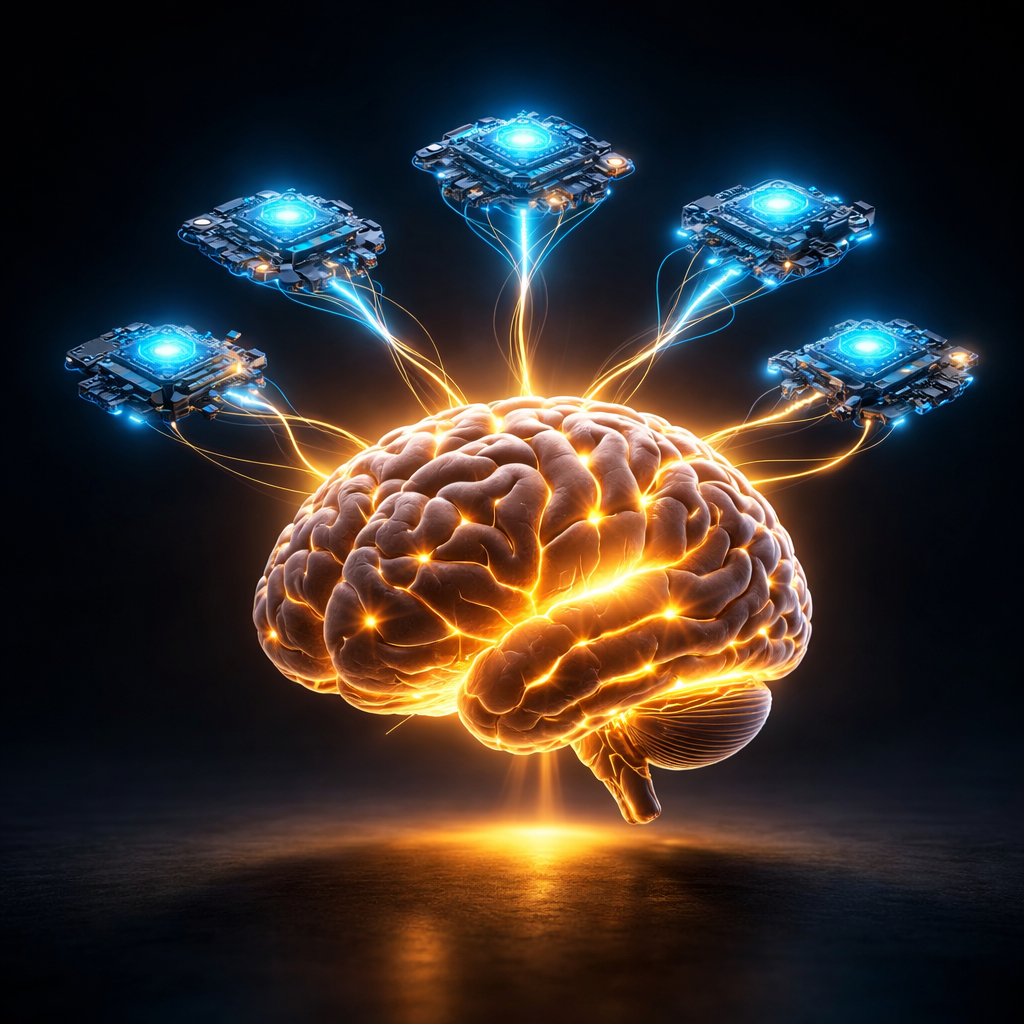
Doubling down on humans only
Doubling down on humans only

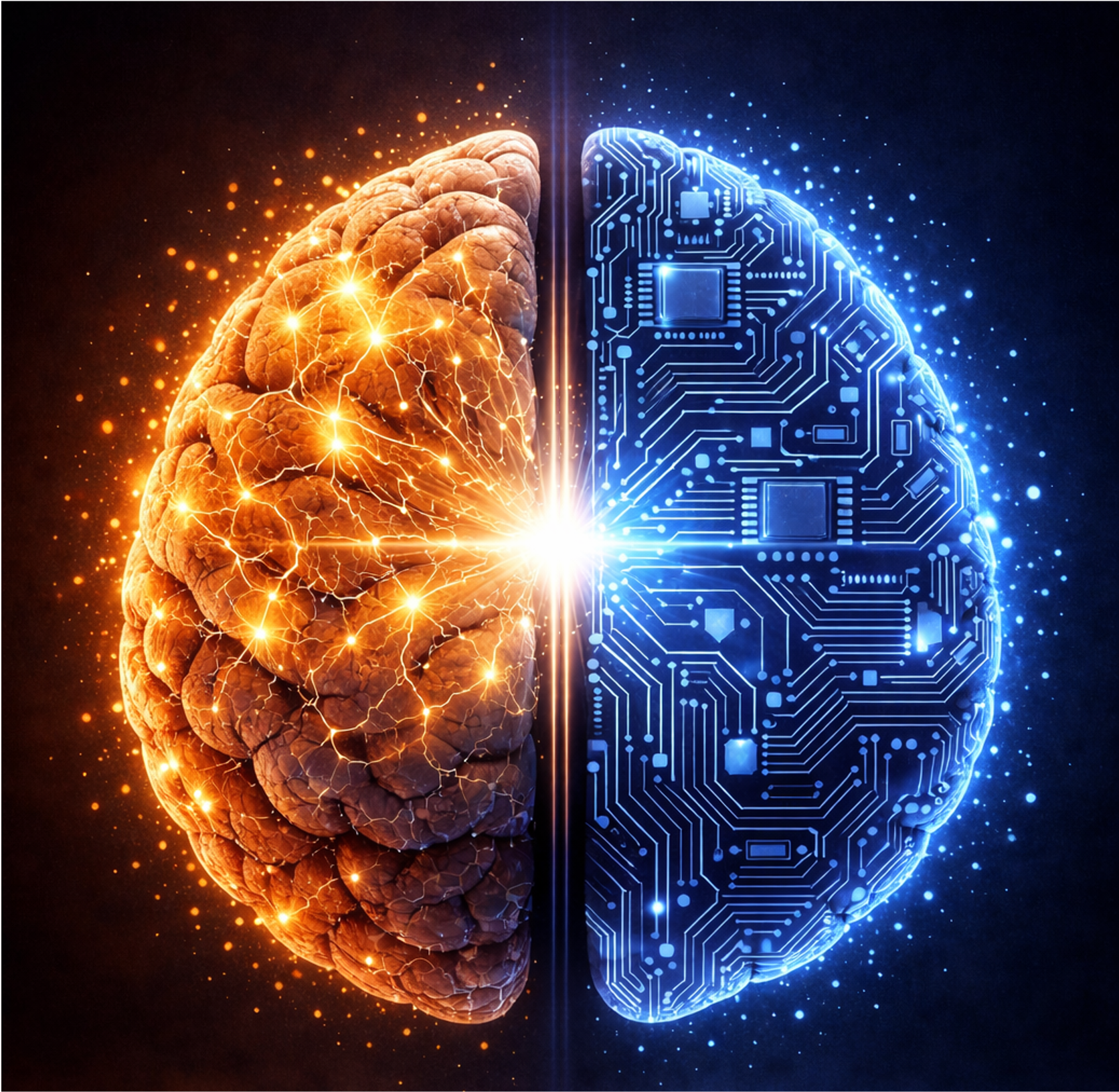
Blending both without a blueprint
Blending both without a blueprint

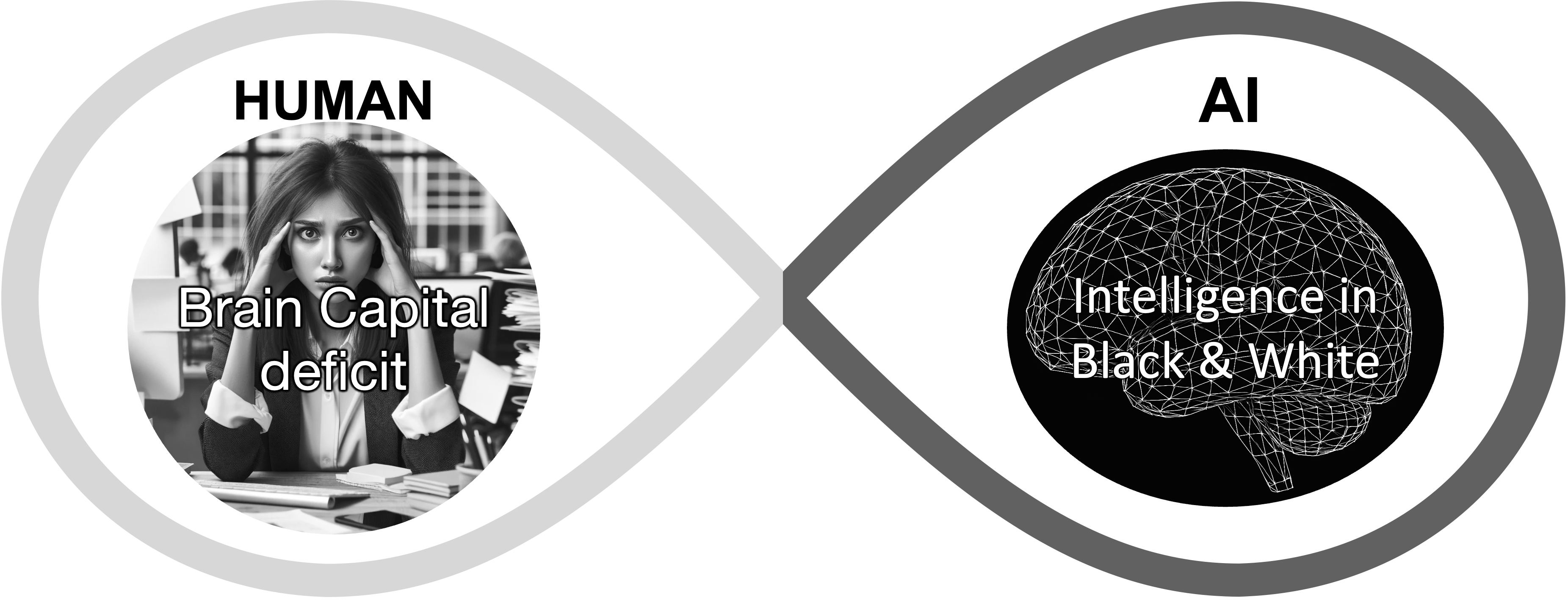
Mastering AI alone
Mastering AI alone

The Blind Spot

We codified color into wavelengths and gave every screen on earth a shared language. We codified flight into aerodynamics and turned a bird-watching dream into an engineering discipline. Human intelligence has never received that treatment. It remains subjective, unmeasured, and locked out of the systems that now run every organization.

Without codification, we are stuck with a black-and-white understanding of human intelligence — crude, subjective, invisible to the systems that now run everything.

The Dual Crisis

Codification

Co-Evolution

But you cannot integrate what you cannot measure.

That is why I have spent twenty years building a unique skill set to codify human intelligence. At FiLiCiTi, we focus on what has been missing. Codifying human intelligence into a measurable, objective system. Human intelligence is the source AI draws from, and it is a never ending source if you know how to mine it.

The Blueprint

When human intelligence is codified, well-being powers performance and the brain becomes what it has always been: the last untapped reservoir.

The blueprint is an integration model where human cognitive performance is mapped, measured, and paired with AI — continuously. Not a one-time assessment. A living system that evolves as both human capability and AI capability advance.

The Blueprint

Trust

Your data stays yours. Medical-grade privacy, no exceptions. The AI sees what you allow, when you allow it — nothing more.

Employers see population-level patterns, never individual data. Work and personal accounts are separate systems with no crossover.

No data sold. No advertising model. No third-party sharing. Ever.

Summary

FiLiCiTi is building the RGB of human cognition — a fundamental framework that parameterizes cognitive states the way RGB parameterizes color. The core insight: the bottleneck in brain-computer interfaces is not sensor hardware or AI models. It is data labeling. Psychology's categories ("happy," "focused") are too imprecise for engineering. FiLiCiTi solves the labeling problem first, then maps those labels to neural data.

"FiLiCiTi converts external behavioral signals into a standardized cognitive code. Once this is done, almost all cognitive states can be represented as a reproducible signal compatible with AI."

— Dr. Kazuhiko Hirakawa

How Mind RGB Works

Input

Structured cognitive assessments, interaction patterns (response latency, word choice, self-corrections), and context data (time, task type, break patterns).

Process

Proprietary intelligence model analyzes inputs against fundamental cognitive dimensions. Not emotion labels — cognitive architecture.

Output

Mind RGB Code — a numerical cognitive profile. Machine-readable, reproducible, precise enough to serve as training labels for neural data.

Mind RGB Code: [ D1: 0.82 | D2: 0.34 | D3: 0.71 | D4: 0.55 | … | Dn: 0.48 ]

Why This Is Different

Approach Method Limitation
EEG-to-emotion Neural signal → emotion label Labels are imprecise. "Happy" is not engineering-grade.
Facial expression Camera → action units → emotion Surface-level. Cultural bias. Not cognitive depth.
Physiological sensing Heart rate, GSR → arousal/valence Two-dimensional. Cannot distinguish cognitive states.
FiLiCiTi (Mind RGB) Behavioral data → precise code → then map to neural data Solves the labeling problem first.

The Partnership Model

FiLiCiTi Brings

The intelligence layer. Cognitive model, labeling methodology, AI feedback system. Defines WHAT data to collect and HOW to interpret it.

Canon Brings

The hardware layer. Sensor precision, optical engineering, miniaturized form factor. 90 years of mastering how humans see — now extended to how humans think.

Neither can build the product alone. The vision: lightweight smart glasses with integrated EEG, eye tracking, and camera — powered by real-time Mind RGB computation. A device that does not just see the world, but understands the person using it.

Proposed Next Steps

Step Description Timeline
1. Document review Review this document and the Science track for technical detail. At your pace
2. Technical discussion Deeper session on Mind RGB methodology, two-stage pipeline, and sensor requirements. Propose after review
3. Joint exploration Define scope of a design-stage collaboration: what data to collect, what hardware form factor, what labels to validate. To be discussed

Contact

Dr. Mohammad Shehata

Founder & CEO

mohammad.shehata@filiciti.com

filiciti.com